
Introduction
Technology in the digital era has completely changed how we live, work, and communicate. From smartphones in our pockets to advanced cloud computing systems, tech has become an inseparable part of everyday life. Businesses now rely on digital tools for efficiency, while individuals use technology for entertainment, education, and personal growth. The pace at which technology evolves is astounding. Just a decade ago, concepts like artificial intelligence, virtual reality, and smart homes were considered futuristic. Today, they are part of our reality.
In this modern digital age, understanding technology is more important than ever. Those who embrace it gain access to incredible opportunities, while those who ignore it risk falling behind. Tech in the digital era influences almost every sector: healthcare, finance, education, communication, and entertainment. It not only increases productivity but also opens doors for innovation and creativity.
What is Tech in Digital Era?
Tech in the digital era refers to the use of modern technologies that have emerged due to the growth of digital systems and the internet. It includes software, hardware, applications, and networks that allow people and businesses to perform tasks more efficiently, communicate effectively, and access vast amounts of information.
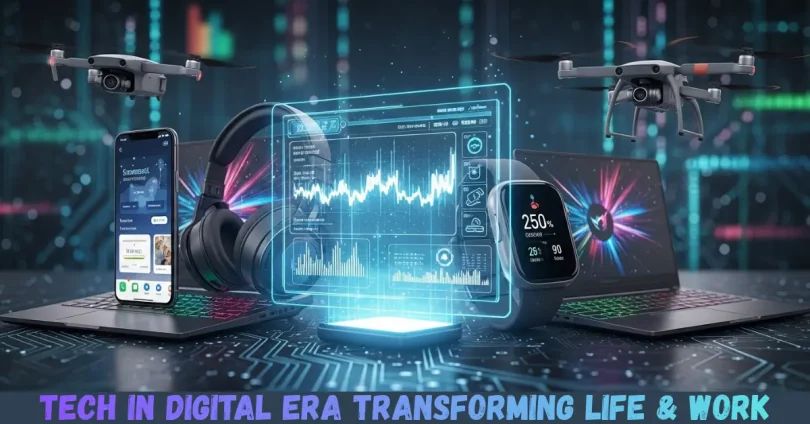
In simpler terms, it is all the technology we use today to live, work, and interact in a connected world. Some examples include:
- Smartphones and mobile apps that provide entertainment, information, and connectivity.
- Cloud computing for storing data and running applications remotely.
- Artificial intelligence (AI) that automates processes and provides predictive analytics.
- Internet of Things (IoT) devices like smart thermostats, wearable tech, and smart appliances.
- Digital marketing tools that help businesses reach audiences online.
The essence of tech in the digital era is connectivity and efficiency. It allows us to perform tasks faster, communicate without boundaries, and access information instantly. Unlike past technologies, digital era tech focuses on integration, automation, and real-time interaction.
Why is Tech in Digital Era Important?
Tech in the digital era is not just a trend; it is a necessity. It has become the backbone of modern life and business operations. Here are the key reasons why it is important:
- Enhanced Communication: Technology has revolutionized how we communicate. Emails, video conferencing, instant messaging, and social media have made it possible to connect globally in seconds.
- Increased Efficiency: Digital tools automate repetitive tasks, allowing individuals and businesses to focus on more strategic work.
- Access to Information: The digital era provides instant access to knowledge and data, making learning and decision-making faster and more effective.
- Economic Growth: Businesses leverage technology to innovate, reduce costs, and reach wider markets, boosting overall economic development.
- Global Connectivity: The world has become more connected, enabling collaboration across borders and time zones.
- Innovation and Creativity: Technology fuels new ideas, products, and services, allowing businesses and individuals to create unique solutions.
Without embracing tech in the digital era, individuals and organizations risk being left behind. Staying up-to-date with technology trends is crucial for personal growth, professional success, and overall societal advancement.
Detailed Step-by-Step Guide to Leveraging Tech in Digital Era
Step 1: Understand Your Needs
Before adopting any technology, it is essential to understand your requirements. Identify the areas in your life or business where digital solutions can bring improvements. For example:
- Businesses may need project management tools or digital marketing platforms.
- Students might require educational apps or online learning resources.
- Individuals can benefit from health tracking apps or productivity software.
Assessing needs ensures that you select technology that adds real value.
Step 2: Research Available Technologies
Once you know your needs, research the tools and technologies that can help. Compare features, costs, ease of use, and scalability. Pay attention to user reviews and expert opinions to make informed decisions.
- Example: If you are a business owner, comparing CRM software like Salesforce, HubSpot, and Zoho can help choose the most suitable solution.
Step 3: Start Small and Scale
Begin with small implementations to avoid being overwhelmed. Test the technology in a controlled environment before fully integrating it into your workflow.
- Tip: For businesses, pilot programs with a specific team can help evaluate efficiency.
- For personal use, try free versions of apps before investing in premium subscriptions.
Step 4: Train and Learn Continuously
Technology evolves rapidly. Continuous learning is necessary to maximize benefits. Take online courses, attend webinars, or read tutorials to stay updated.
- Example: Learning how to use advanced Excel functions or AI-based marketing tools can increase productivity.
Step 5: Integrate and Automate
Integrating technology with existing workflows ensures smooth operations. Automation of repetitive tasks saves time and reduces human error.
- Example: Automate email responses, social media posting, or inventory management to streamline operations.
Step 6: Monitor and Optimize
Regularly monitor the performance of technology solutions. Use analytics and feedback to identify areas for improvement.
- Example: Track website traffic and user behavior to optimize digital marketing campaigns.
Step 7: Stay Secure
Digital technology comes with risks, especially related to data security. Implement strong passwords, use encryption, and regularly update software to protect information.
- Tip: Educate teams about phishing attacks and cybersecurity best practices.
Benefits of Tech in Digital Era
Technology in the digital era offers numerous advantages for individuals, businesses, and society as a whole. Key benefits include:
- Time Efficiency: Automation and digital tools save time on repetitive tasks.
- Cost Savings: Digital solutions often reduce operational costs by minimizing manual work.
- Global Reach: Businesses can expand their market and individuals can connect worldwide.
- Improved Communication: Instant messaging, video calls, and social media enhance collaboration.
- Data-Driven Decisions: Access to analytics and real-time data improves decision-making.
- Innovation Opportunities: New technologies inspire creative solutions and products.
- Flexibility: Remote work, online learning, and digital services offer more flexible options.
- Environmental Benefits: Digital processes can reduce paper usage and travel, lowering environmental impact.
Disadvantages / Risks
While technology offers many advantages, there are risks and challenges associated with its adoption:
- Cybersecurity Threats: Hackers, malware, and data breaches pose serious risks.
- Digital Addiction: Excessive use of devices and social media can harm mental health.
- Job Displacement: Automation may replace certain manual jobs, requiring reskilling.
- Privacy Concerns: Personal information may be misused if not protected properly.
- Over-reliance on Technology: Dependence on digital tools can reduce critical thinking and problem-solving skills.
- High Costs: Advanced technology solutions can be expensive for individuals and small businesses.
Understanding these risks is essential for responsible and safe use of tech in the digital era.
Common Mistakes to Avoid
- Ignoring Security Measures: Weak passwords or outdated software can lead to breaches.
- Choosing Technology Without Research: Not evaluating options can result in wasted money and effort.
- Overcomplicating Processes: Using too many tools at once can reduce efficiency.
- Neglecting Training: Failing to learn how to use technology properly limits its benefits.
- Ignoring Updates: Skipping updates can expose systems to vulnerabilities.
- Focusing Only on Technology: Technology alone cannot solve problems without proper strategy.
Avoiding these mistakes ensures that technology serves as a helpful tool rather than a source of frustration.
FAQs
1. What does tech in the digital era include?
Tech in the digital era includes smartphones, cloud computing, AI, IoT devices, digital marketing tools, software applications, and online services that enhance communication, productivity, and connectivity.
2. Why is technology important in today’s world?
Technology improves efficiency, communication, decision-making, and access to information. It enables innovation, global connectivity, and economic growth. Without it, individuals and businesses risk falling behind.
3. How can beginners use technology effectively?
Start by identifying needs, choosing simple tools, learning continuously, and gradually integrating technology into daily tasks. Focus on solutions that add real value.
4. What are the biggest risks of using digital technology?
Risks include cybersecurity threats, data privacy issues, digital addiction, job displacement due to automation, and over-reliance on technology. Awareness and preventive measures reduce these risks.
5. Can technology replace human jobs completely?
While automation can replace certain repetitive tasks, it cannot replace creativity, decision-making, empathy, or complex problem-solving. Humans remain essential in most industries.
6. How can businesses benefit from digital technology?
Businesses gain efficiency, cost savings, global reach, better communication, and access to data-driven insights. Technology enables automation, innovation, and competitive advantage.
7. Is digital technology suitable for education?
Yes, it provides online learning platforms, virtual classrooms, digital resources, and interactive tools that enhance learning experiences for students and teachers.
8. How do I stay updated with technology trends?
Follow tech blogs, attend webinars, join online communities, take courses, and regularly explore new apps and tools. Staying curious is key.
9. Can technology improve personal life?
Absolutely. Apps for health, fitness, finance management, learning, and communication enhance daily life by saving time, improving health, and providing knowledge.
10. What is the future of tech in the digital era?
The future includes AI advancements, smarter IoT devices, augmented and virtual reality, automation in everyday life, and increased integration of digital services across industries.
Expert Tips & Bonus Points
- Prioritize Security: Use strong passwords, VPNs, and antivirus software to protect your data.
- Embrace Cloud Solutions: Cloud storage and applications allow flexibility and collaboration.
- Leverage Analytics: Use data analytics to make informed decisions and improve efficiency.
- Stay Updated: Technology evolves quickly; regularly update tools and knowledge.
- Focus on User Experience: Whether it’s a business website or app, user experience impacts success.
- Balance Digital Life: Limit screen time to avoid digital fatigue and maintain mental health.
- Experiment with New Tools: Test emerging technologies like AI chatbots, AR, and automation tools to stay ahead.
- Invest in Learning: Online courses, tutorials, and webinars help you adapt to changing tech trends.
Conclusion
Tech in the digital era has transformed every aspect of life, from business operations to personal activities. It offers unprecedented opportunities for communication, efficiency, innovation, and global connectivity. However, the digital era also comes with challenges such as cybersecurity risks, digital addiction, and privacy concerns.
For individuals, embracing technology means improving productivity, gaining access to knowledge, and enhancing daily life. For businesses, it means innovation, cost efficiency, and staying competitive in a global market. By understanding the benefits and risks, avoiding common mistakes, and continuously learning, anyone can thrive in the digital era.